

How to Get a Free Credit Report
Your credit report is the foundation of your financial life. It influences your ability to get loans, refinance your car, secure good interest rates, rent an apartment, or even land a job. The good news? You can check your credit report for free—and doing so is one of the smartest steps you can take to protect and improve your financial health.
Here’s everything you need to know about how to get your free credit report, why it matters, and what to look for once you have it in hand.
What Is a Credit Report?
Your credit report is a detailed record of your borrowing history. It includes:
- Your open and closed accounts (credit cards, loans, etc.)
- Payment history (on-time, late, or missed payments)
- Your current balances
- Hard inquiries (when lenders check your credit)
- Any collections, bankruptcies, or foreclosures
This information is compiled by the three major credit bureaus: Equifax, Experian, and TransUnion. Lenders use your credit report—and the credit score derived from it—to determine how risky it is to lend to you.
Why You Should Check Your Credit Report
Reviewing your credit report regularly can help you:
- Catch errors that may be hurting your credit score
- Monitor your financial progress
- Spot identity theft or fraud early
- Prepare to refinance your auto loan or apply for new credit
- Understand what lenders see when you apply
Keeping an eye on your credit history puts you in a better position to make informed financial decisions.
TIP CORNER:
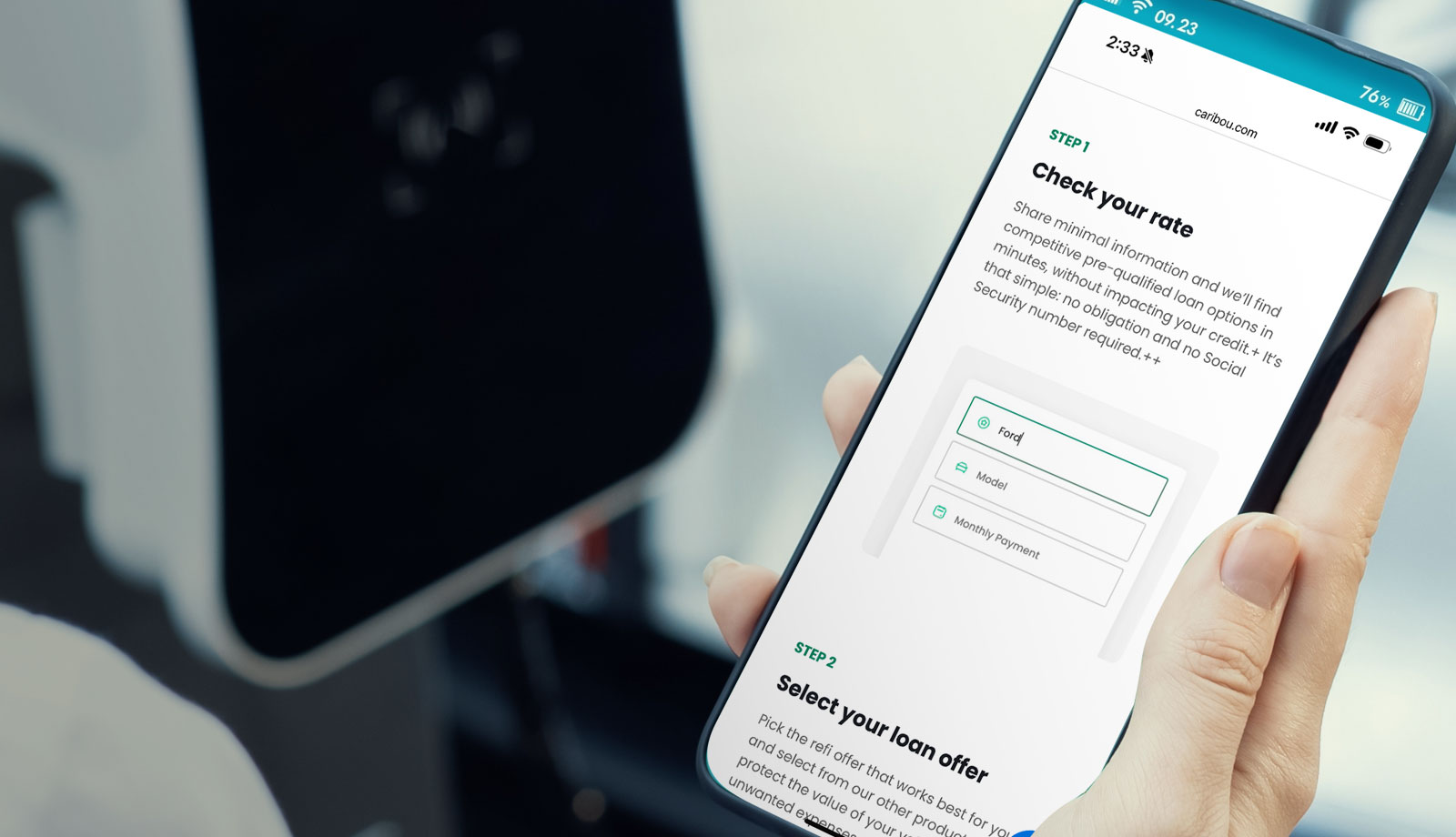
Sites like Caribou make it easy to compare auto loan refinance offers from multiple lenders in one place.
Where to Get Your Free Credit Report
You’re legally entitled to one free credit report from each of the three credit bureaus every 12 months. The official site to request them is:
This is the only government-authorized website to get your free credit reports. No credit card is required to request your report.
During times of economic uncertainty or hardship, the bureaus sometimes offer more frequent free reports. For example, during the COVID-19 pandemic, weekly reports were available. Be sure to check the site for current policies.
How to Request Your Credit Report
Getting your credit report online takes just a few minutes. Here’s how:
- Visit AnnualCreditReport.com
- Choose the credit bureau(s) you want a report from—Equifax, Experian, or TransUnion
- Answer identity verification questions (like previous addresses or loans)
- View or download your credit report immediately
You can also request your report by phone at 1-877-322-8228 or by mail using a printed request form.
What to Look For in Your Credit Report
Once you have your credit report, take time to review it carefully. Look for:
- Incorrect account information (wrong balances, unfamiliar accounts)
- Duplicate accounts
- Late payments that you know you paid on time
- Hard inquiries you didn’t authorize
- Outdated information (accounts that should have aged off)
If you find something wrong, you can dispute the error directly with the bureau reporting it. Each credit bureau has an online dispute center that makes the process easy.
Will Checking My Credit Report Affect My Score?
Not at all. Checking your own credit report is a soft inquiry, which has zero impact on your credit score. In fact, reviewing your credit regularly is one of the best habits for protecting your financial future.
Free Credit Reports vs. Free Credit Scores
It’s important to know the difference:
- A credit report shows your full credit history.
- A credit score (like your FICO® Score) is a number calculated from the information in your report.
You won’t automatically see your credit score when you get your report, but many banks, credit cards, or credit monitoring services offer your score for free.
Knowledge Is Power
Your credit report is a mirror of your financial life—and the more you understand it, the better equipped you are to improve your credit, lower your interest rates, and access better financial products.
Want to refinance your car loan? Knowing what’s in your credit report can help you secure better offers and get a lower rate. When you’re ready to get started, we recommend first checking your rate risk-free at our auto refinance partner, Caribou. There is no impact on your credit score to check your rate at Caribou.
Take charge of your financial future—start by checking your credit report today.

